How to Outsource Security Operations Center
Learn how to outsource security operations center functions with the right model, tooling, SLAs, and response process for 24/7 protection.
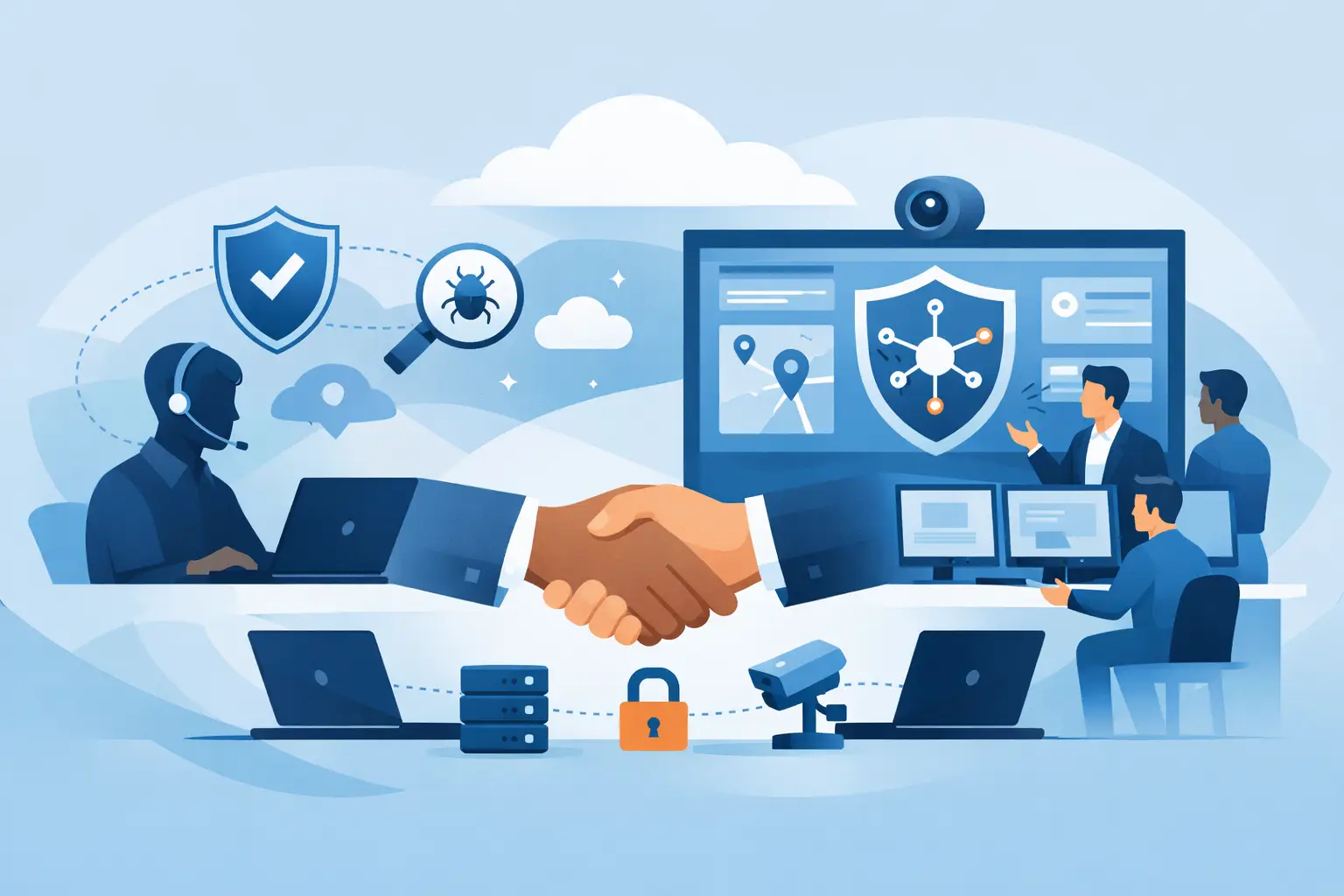
At 2:13 a.m., an endpoint alert does not care whether your internal team is staffed, asleep, or stretched across too many priorities. That is the real reason buyers ask how to outsource security operations center functions. The question is not just about cost. It is about whether your organization or your clients can maintain 24/7 detection, investigation, and response with the speed and discipline modern threats require.
For MSPs, MSSPs, and VARs, the pressure is even more direct. Customers expect enterprise-grade monitoring, rapid response, and clear reporting, but building a full SOC in-house means hiring analysts for multiple shifts, investing in tooling, defining escalation paths, and maintaining coverage every day of the year. For end-user organizations, the math is similar. Running a mature SOC is operationally heavy, and partial coverage creates blind spots that attackers know how to exploit.
Outsourcing can solve that problem, but only if you approach it as an operating model decision, not a procurement exercise. The right partner extends your security capability. The wrong one becomes another alerting layer that still leaves your team carrying the risk.
How to outsource security operations center services the right way
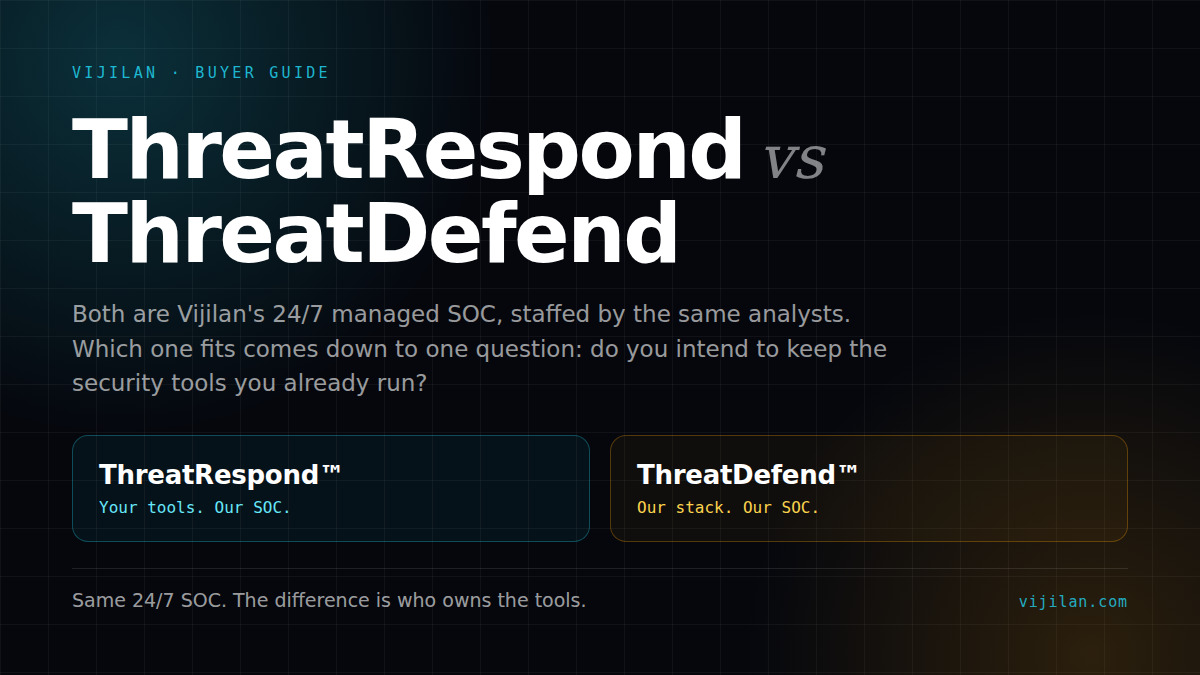
The first step is to define what you are actually outsourcing. Some organizations want a provider to monitor their existing security stack and act as the 24/7 SOC. Others want a bundled model where the provider brings both the platform and the analysts. Both can work, but they solve different problems.
If your team has already invested in tools you want to keep, an outsourced SOC should be able to integrate into that environment, ingest the right telemetry, tune detections, investigate alerts, and execute a documented response workflow. This model protects prior investments and may reduce disruption, but it also depends on the quality and coverage of your current stack.
If you need a faster path to maturity, a provider-led platform plus SOC can be the better fit. That gives you a tighter service architecture, fewer compatibility gaps, and cleaner accountability. The trade-off is less flexibility around tool choice. In practice, buyers should choose based on operational outcomes, not attachment to a specific product.
Start with coverage gaps, not vendor pitches
Before you evaluate providers, map your current state with discipline. Identify what is monitored today, what is not, and who acts when a threat is confirmed. Many organizations believe they have meaningful monitoring because they own EDR, SIEM, or email security tools. Ownership is not the same as operations.
A practical assessment should answer a few hard questions. Do you have 24/7 monitoring or only business-hours review? Are alerts triaged by trained analysts or simply forwarded to an IT queue? Can your team investigate lateral movement, credential abuse, or suspicious cloud activity in a consistent way? Can someone contain an endpoint, disable an account, or escalate an incident at any hour?
These answers shape the outsourcing model. If your biggest gap is human coverage, a SOC partner that supports customer-owned tools may be enough. If the gaps are broader across visibility, response, and security architecture, a managed detection and response model usually makes more sense.
What a strong outsourced SOC should actually deliver
The baseline is continuous monitoring, but that is only the start. A credible outsourced SOC should provide detection engineering, triage, investigation, escalation, response coordination, and reporting that helps you make operational decisions. Alert volume alone is not value. What matters is whether the provider reduces noise and acts on real threats with speed.
For channel partners, this becomes a brand and retention issue. If you resell or white-label SOC services, your provider must operate with consistency under pressure. That means documented runbooks, measurable service levels, disciplined analyst workflows, and customer-facing reporting that your clients can understand. If the service depends on ad hoc analyst judgment with limited process control, it will break when incident volume rises.
You should also look closely at response authority. Some providers only notify. Others can take action based on pre-approved playbooks, such as host isolation, account disablement, malicious process termination, or blocking indicators. Faster action usually reduces impact, but it requires trust, documented permissions, and alignment with the customer’s environment.
How to evaluate an outsourced SOC partner
A sales demo will not tell you how a SOC performs at 3 a.m. during a live incident. The evaluation should focus on service architecture, analyst operations, and how the provider fits your delivery model.
Start with staffing depth and coverage. Ask where analysts are located, how shifts are staffed, and whether the provider operates a true 24/7 SOC or simply offers on-call support after hours. Then move to detection and investigation quality. You want to know how use cases are tuned, how false positives are reduced, and how the team correlates telemetry across endpoint, network, identity, cloud, and email sources when available.
For MSPs and MSSPs, multi-tenant delivery matters. The provider should support standardized onboarding, repeatable reporting, and a service model that works across multiple clients without creating operational chaos. White-label capability is not just a marketing feature. It is part of how channel partners protect customer ownership while expanding recurring security revenue.
It is also worth examining escalation design. Who gets called, when, and based on what severity? How are incidents documented? What is the expected time to acknowledge, investigate, and respond? A provider that cannot describe this clearly is not ready for high-trust operations.
Tooling strategy matters more than most buyers expect
One of the biggest mistakes in outsourcing is assuming the SOC provider can compensate for weak telemetry. A skilled analyst team still needs reliable data sources. If your current stack has major visibility gaps, the outsourced service will inherit those limits.
This is why the tool decision and the SOC decision are tightly connected. In some environments, keeping existing tools is the right move because the controls are already mature and well deployed. In others, especially where there has been piecemeal security buying over time, consolidating under a provider-backed stack improves both visibility and response quality.
There is no universal answer here. The right model depends on your current architecture, internal skill level, compliance requirements, and tolerance for change. What matters is that the provider is honest about where your current tools support the mission and where they do not.
Governance, SLAs, and the response model
Outsourcing a SOC does not mean outsourcing accountability. Your organization still owns risk, which is why governance has to be explicit from the start.
Define severity levels, escalation contacts, response permissions, communication methods, and reporting cadence before onboarding begins. If your provider can isolate devices but your legal or operations team requires approval first, that rule must be documented. If your customers expect after-hours phone escalation for critical incidents, that should be written into the operating model, not left to interpretation.
SLAs should cover more than first response times. They should reflect triage speed, investigation discipline, incident communication, and service review structure. For channel partners, governance should also address branding, customer boundaries, and who owns each part of the client relationship during an incident.
Transition planning is where many SOC outsourcing projects stall
Even strong providers can struggle if onboarding is rushed. Asset inventories are incomplete, log sources are misconfigured, and escalation contacts are outdated. Then the first serious alert exposes all of it.
A good transition plan moves in stages. First comes environment validation, telemetry onboarding, and use-case alignment. Then come runbook reviews, contact verification, and test escalations. Only after those pieces are stable should the service be considered fully operational.
This is one reason experienced buyers value providers with a mature onboarding process. The technical service may be 24/7, but the handoff into that service determines how quickly you see value. Vijilan, for example, structures its outsourced SOC models around either customer-owned tools or a provider-backed stack, which helps buyers align the service to their actual environment rather than forcing a single path.
The real benchmark: better decisions under pressure
If you want to know how to outsource security operations center capabilities successfully, judge the decision by what happens during a real event. Did the provider detect the issue early? Did analysts investigate with context? Did the right people get notified? Was action taken fast enough to reduce harm?
That is the standard. Not a dashboard. Not a pile of alerts. Not a promise of coverage that disappears after business hours.
The best outsourced SOC relationships work because they create operational certainty. Your team knows who is watching, what happens next, and how threats will be handled when time matters most. That clarity is what turns outsourced security from a vendor line item into a real security capability.
Threat notes, once a week
What our SOC actually saw this week: new attack patterns, the detections we shipped against them, and what it means if you run an MSP. Written by the analysts, not by marketing.
See what 24/7 looks like when the SOC actually acts.
Book a 20-minute platform walkthrough: no slide deck, just the console.
Book a walkthrough →