Outsourced SOC for SMB: What Actually Matters
Learn how outsourced SOC for SMB improves 24/7 threat detection, response, and coverage without the cost and staffing burden of an internal SOC.
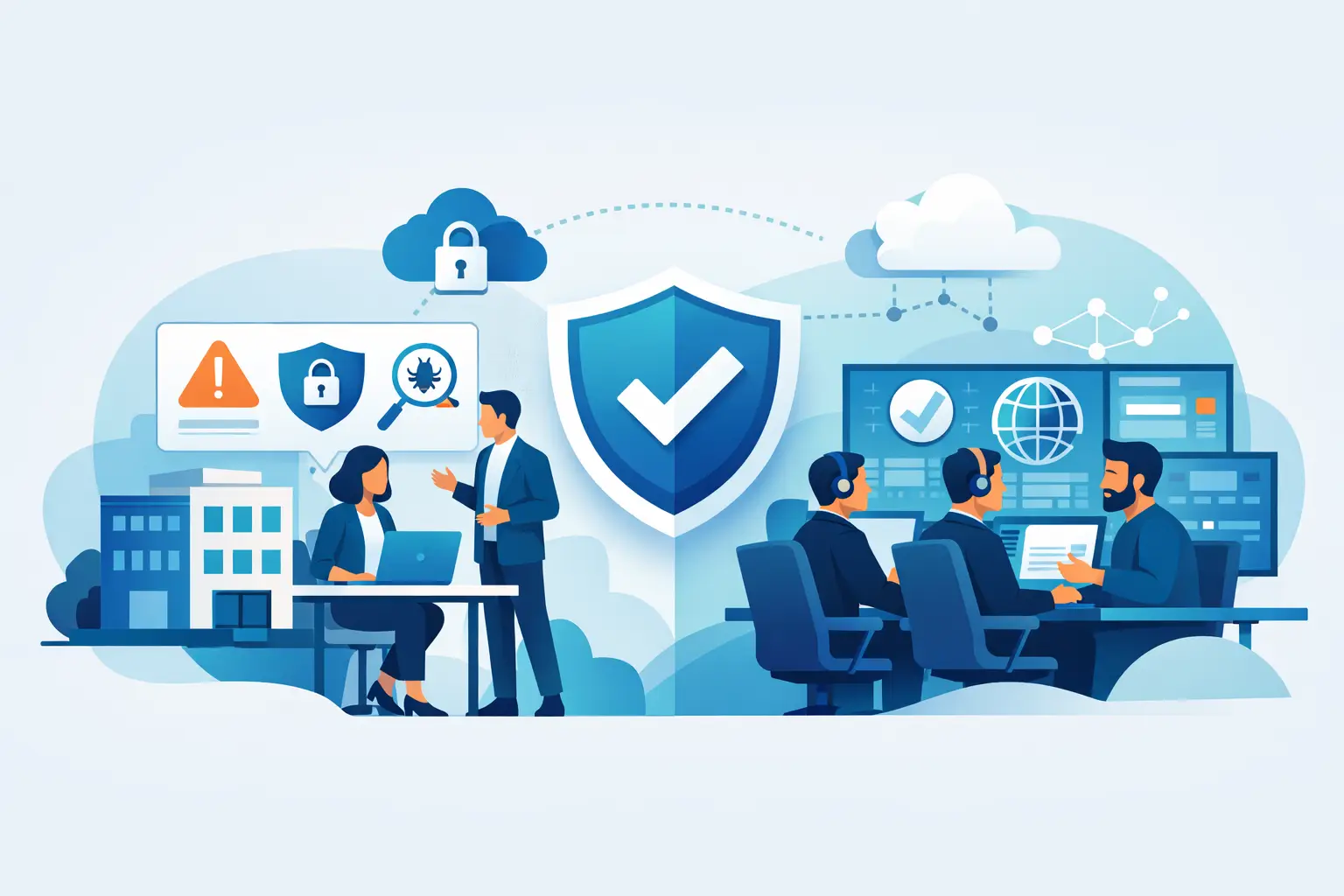
At 2:13 a.m., ransomware does not care that your IT lead is also handling vendor renewals, endpoint rollouts, and Monday’s board deck. That is the operating reality behind outsourced SOC for SMB buyers. The question is not whether small and midsized businesses face advanced threats. They do. The real question is whether they can sustain 24/7 detection, investigation, and response with internal staff, fragmented tooling, and business-hour coverage.
For most SMBs and the MSPs that support them, the answer is no. That is why the outsourced SOC model has moved from a nice-to-have service to an operational requirement. But not every provider delivers the same level of security operations maturity, and not every SMB needs the same service design.
Why outsourced SOC for SMB is now a business decision
Security operations used to be treated as a tooling problem. Buy an EDR platform, add a SIEM, configure alerts, and assume the environment is covered. In practice, tools generate telemetry. They do not triage false positives, correlate activity across systems, or make response decisions under time pressure.
SMBs feel this gap more sharply than enterprises because they have less room for error. A single compromised admin account, a missed lateral movement alert, or an after-hours phishing incident can create material downtime. Recovery costs hit harder when teams are lean and backup, legal, insurance, and customer communication processes are all handled by the same few people.
An outsourced SOC changes the operating model. Instead of expecting internal IT to watch dashboards around the clock, the business gains a dedicated security function that monitors activity continuously, investigates suspicious events, and acts based on defined response paths. That matters because attackers do not work on your staffing schedule.
For channel partners, the business case is just as direct. Building an in-house SOC requires analysts, engineering talent, process discipline, escalation workflows, management oversight, and enough customer volume to justify all of it. Most MSPs and VARs do not need another software console. They need a security operations capability they can deliver credibly and consistently.
What an SMB should expect from an outsourced SOC
A serious outsourced SOC for SMB environments is not just alert forwarding with a monthly report attached. It should function as a live operational layer across the customer’s security stack.
That starts with 24/7 monitoring, but coverage alone is not enough. The SOC must be able to ingest relevant telemetry, tune detections for the environment, investigate activity quickly, and escalate real incidents with useful context. If the service cannot distinguish between noisy events and meaningful attacker behavior, the customer still ends up paying for fatigue instead of protection.
Response depth is the next dividing line. Some providers stop at notification. Others support containment actions, host isolation, malicious process termination, account disablement, and coordinated remediation guidance. The right model depends on the customer’s risk tolerance and internal capabilities, but there should be a clear answer to one question: when a threat is confirmed, who acts?
SMBs should also expect visibility into service performance. That includes what is being monitored, what was investigated, how quickly incidents were handled, and where exposure remains. Mature SOC delivery is disciplined, not vague.
Where outsourced SOC works best - and where it depends
The outsourced model is usually strongest when an organization needs enterprise-grade coverage without enterprise staffing. That includes multi-site businesses, regulated firms with lean IT teams, and fast-growing companies whose security needs have outpaced their operating model.
It also works well for MSPs that want to expand managed security services without building a SOC from scratch. In those cases, white-labeled or co-branded delivery can be a major advantage because it lets the partner retain the customer relationship while adding a real security operations backbone behind the scenes.
Still, it depends on the environment. If a customer has highly customized internal workflows, unusual legacy systems, or strict data handling requirements, onboarding may take more planning. If the business expects the SOC to compensate for weak identity controls, unmanaged endpoints, and no response authority, results will be limited. An outsourced SOC improves detection and response, but it does not erase foundational security gaps.
That trade-off matters. The best outcomes happen when the SOC is part of a broader operating model that includes endpoint visibility, log coverage, identity protection, defined escalation paths, and decision-makers who can authorize action.
The service model matters more than the label
Many providers use the same words - MDR, XDR, SOC-as-a-Service, managed SOC - but the delivery models underneath them can be very different. Buyers should focus less on category names and more on how the service actually operates.
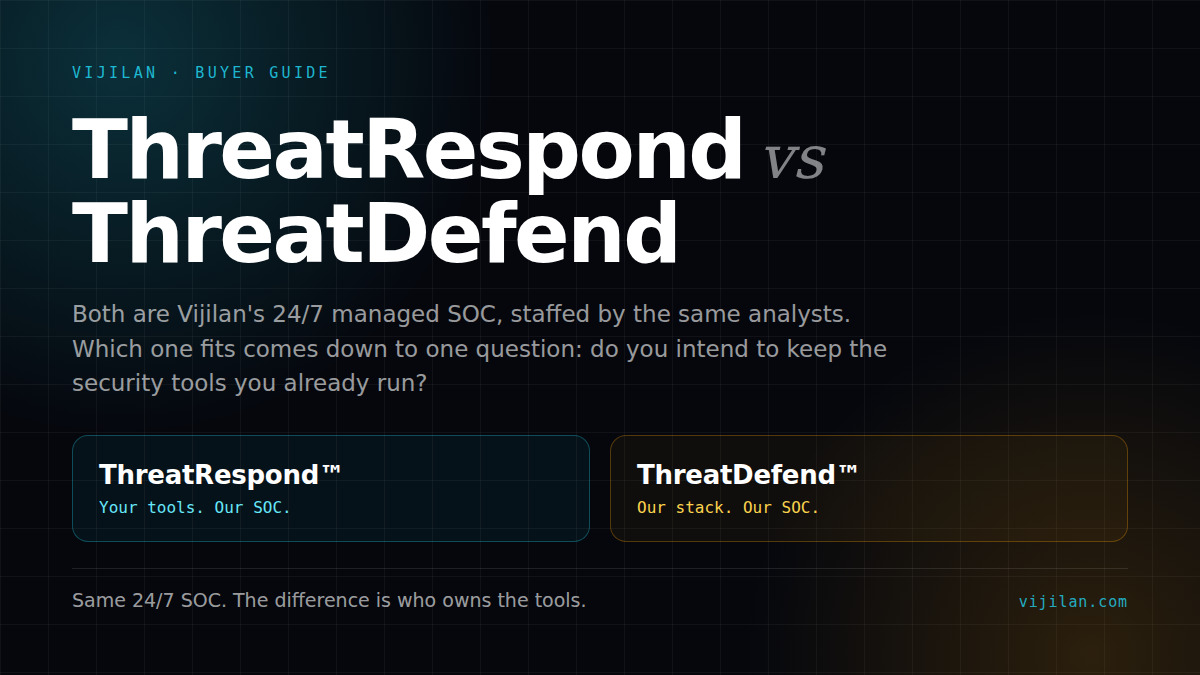
One model supports the customer’s existing toolset. This can be the right fit when the business or MSP has already standardized on specific endpoint, cloud, or log management platforms and wants expert analysts to run the security operations layer. The upside is flexibility and better use of current investments. The downside is that outcomes depend in part on the quality and coverage of the tools already deployed.
Another model combines the technology stack with the SOC. This is often the cleaner path for SMBs that want stronger security quickly and do not want to assemble multiple vendors. It can simplify operations, reduce integration friction, and create more consistent detection and response. The trade-off is less customization if the customer prefers a highly mixed environment.
For many organizations, the smartest question is not whether outsourced SOC is better than internal SOC in theory. It is whether the provider can support the operating model they actually need.
How to evaluate an outsourced SOC for SMB environments
Start with detection and response, not marketing claims. Ask what data sources are monitored today, how alerts are triaged, what the escalation path looks like, and whether the provider performs direct response actions or only makes recommendations.
Then examine staffing and process maturity. A 24/7 SOC should have real analyst coverage, documented workflows, and clear handoffs between automation and human investigation. AI-driven detection can accelerate signal analysis and improve prioritization, but it is not a substitute for experienced people making decisions during active incidents.
Integration is another practical checkpoint. The provider should be able to fit into the customer’s existing environment or offer a stack that closes meaningful gaps. If onboarding sounds overly generic, that is usually a warning sign. Effective SOC operations require context about users, systems, business risk, and acceptable response actions.
For partners, channel alignment matters just as much as technical delivery. If the goal is to offer SOC services under your own brand, the provider needs operational discipline, white-label readiness, and a model that protects your customer relationship. This is where a managed cybersecurity company like Vijilan can be differentiated - not just by 24/7 AI-Driven monitoring, but by the ability to deliver premium SOC operations in a partner-first framework.
Common mistakes SMBs make when buying SOC services
One mistake is buying for compliance optics instead of operational outcomes. A SOC that satisfies a checkbox but cannot investigate quickly or act decisively will not help much during a live incident.
Another is assuming all MDR services include the same response authority. Some customers discover too late that their provider detects threats but leaves containment entirely to the internal IT team. That can work if the customer has staff available at all hours. Many SMBs do not.
The third mistake is underestimating onboarding discipline. Good SOC outcomes depend on log quality, endpoint deployment, playbook design, asset scoping, and escalation contacts that are current. If those basics are skipped, the service may still be active, but it will not be operating at full value.
What success looks like after deployment
A well-run outsourced SOC should make security operations quieter internally, not louder. Your team should spend less time sorting low-value alerts and more time making informed decisions when risk is real. Incidents should be identified earlier, investigated faster, and escalated with enough technical detail to support action.
For SMB leaders, success means fewer blind spots and more confidence that after-hours threats are being watched by people who know what to do. For MSPs and channel partners, it means being able to offer enterprise-grade protection without carrying the full burden of building and staffing a SOC yourself.
The most valuable outsourced SOC for SMB buyers is not the one with the longest feature sheet. It is the one that can monitor continuously, investigate accurately, and act when it counts. If your current model cannot do that at 2:13 a.m., that is where the decision starts.
Threat notes, once a week
What our SOC actually saw this week: new attack patterns, the detections we shipped against them, and what it means if you run an MSP. Written by the analysts, not by marketing.
See what 24/7 looks like when the SOC actually acts.
Book a 20-minute platform walkthrough: no slide deck, just the console.
Book a walkthrough →